Digital technologies have transformed educational ecosystems, expanding opportunities for communication, participation, and learning across linguistic, cultural, and geographical boundaries. At the same time, these digital and hybrid environments have introduced new challenges related to well-being, social cohesion, inclusion, misinformation, and exposure to online risks such as cyberbullying, hate speech, and exclusion.
This track focuses on the design, analysis, and evaluation of safe and supportive educational ecosystems that promote well-being, diversity awareness, and resilience, with particular attention to digital, AI-supported, plurilingual, and multicultural learning environments. It aims to bring together research and practice addressing how educational communities can leverage new strategies to foster psychological safety, inclusive participation, and respectful interactions.
Contributions are invited to explore diversity-aware and inclusive approaches to education, including attention to linguistic repertoires, cultural identities, and heterogeneous learner needs, as well as strategies to support social and emotional well-being in (digitally mediated) educational settings. The track also welcomes work examining how learners and educators develop resilience, critical digital competence, and responsible communication practices to navigate complex online ecosystems.
Particular emphasis is placed on empathic and responsible communication in digital and AI-mediated environments, including the use of AI-based tools to support dialogue, reflection before posting, and awareness of tone, impact, and consequences of online interactions. Research addressing informed and democratic participation, the prevention of disinformation, and AI-supported strategies to detect, prevent, and respond to hate speech, cyberbullying, and digital harassment is especially encouraged.
By integrating perspectives from education, psychology, linguistics, technology, and social sciences, this track provides a dedicated space to discuss how educational ecosystems can promote well-being, inclusion, and resilience while ensuring safety and cohesion in digital and plurilingual environments. Contributions may include empirical studies, design-based research, theoretical frameworks, policy analyses, and practice-oriented interventions across different educational levels.
Topics
- Well-being and psychological safety in digital and AI-supported educational environments
- Diversity-aware and inclusive education in plurilingual and multicultural learning environments
- Empathic and responsible communication supported by AI-based dialogue and reflection tools in education
- Informed, respectful and democratic participation in digital educational communities
- Prevention of disinformation through critical digital and AI literacy in education
- Bullying, cyberbullying, hate speech and social exclusion in educational ecosystems
- Resilience-building strategies for learners and educators in digital educational contexts
- AI-supported approaches for promoting safe, inclusive and supportive learning environments
- Teacher education and institutional practices for well-being, diversity and ethical AI use
Track Scientific Committee
Carlos Brigas, Instituto Politécnico da Guarda, Portugal
Francisco Javier Lena Acebo, University of Cantabria, Spain
Giorgio Crescenza, University of Tuscia, Italy
Isabel Vicario Molina, University of Salamanca, Spain
Ilze Kačāne, Daugavpils University, Latvia
Javier Cruz Rodríguez, University of Salamanca, Spain
Joana Bessa Topa, University of Maia, Portugal
José Quintéiro Figueiredo, Instituto Politécnico da Guarda, Portugal
Luis Gonzalez Rodero, University of Salamanca, Spain
Maja Videnovik, “Ss Cyril and Methodius” University in Skopje, R. Macedonia
Maria Elena Martín Pastor, University of Salamanca, Spain
Noelia Morales Romo, University of Salamanca, Spain
Paula Renés Arellano, University of Cantabria, Spain
Valentina Guerrini, Università degli Studi di Sassari, Italy
Zuzana Kubincová, Comenius University in Bratislava, Slovakia
CHAIRS:

María José Hernández-Serrano
Universidad de Salamanca, Spain

Vladimir Trajkovik
“Ss Cyril and Methodius” University in Skopje, R. Macedonia
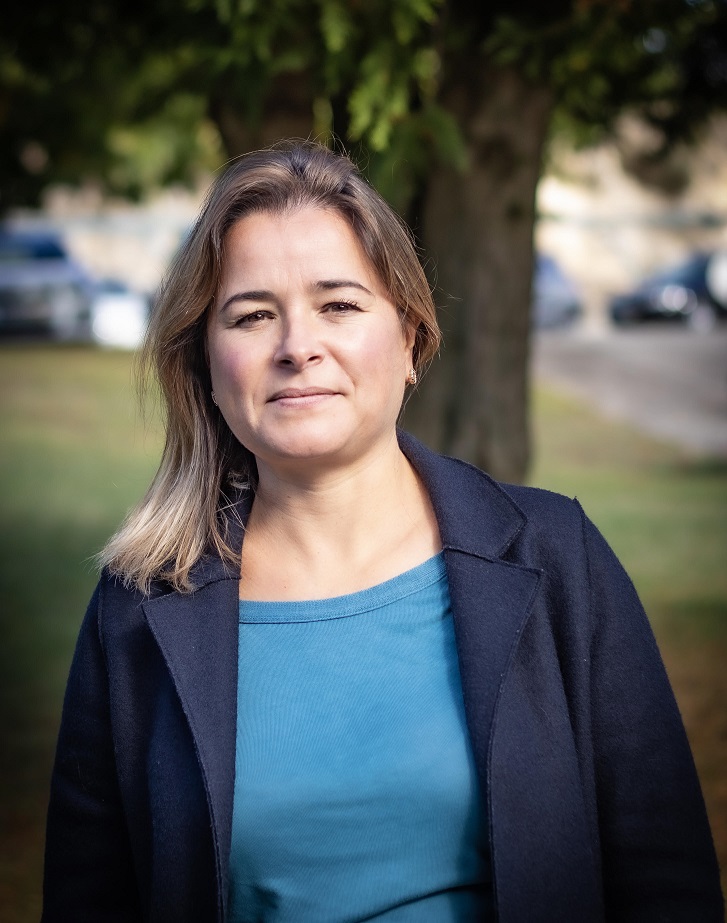
Natália Fernandes Gomes
Polytechnic Institute of Guarda, Portugal