Workshop 1
“Challenges to learning and enacting digital safety and well-being: children, youth and specific concerns of harmful online content and experiences”
Mariana Rodrigues and Pedro Daniel Ferreira, Faculty of Psychology and Education Sciences of the University of Porto

Mariana Rodrigues is an Assistant Professor at the Faculty of Psychology and Education Sciences of the University of Porto and a researcher at the Centre for Research and Intervention in Education (CIIE). She holds a PhD in Education Sciences from the University of Porto and coordinated the research project CARING – Exposure to Online Harmful Content among Youth in Portugal. Her research focuses on democracy and citizenship education, digital transformation, youth participation, sociopolitical development, and well-being.
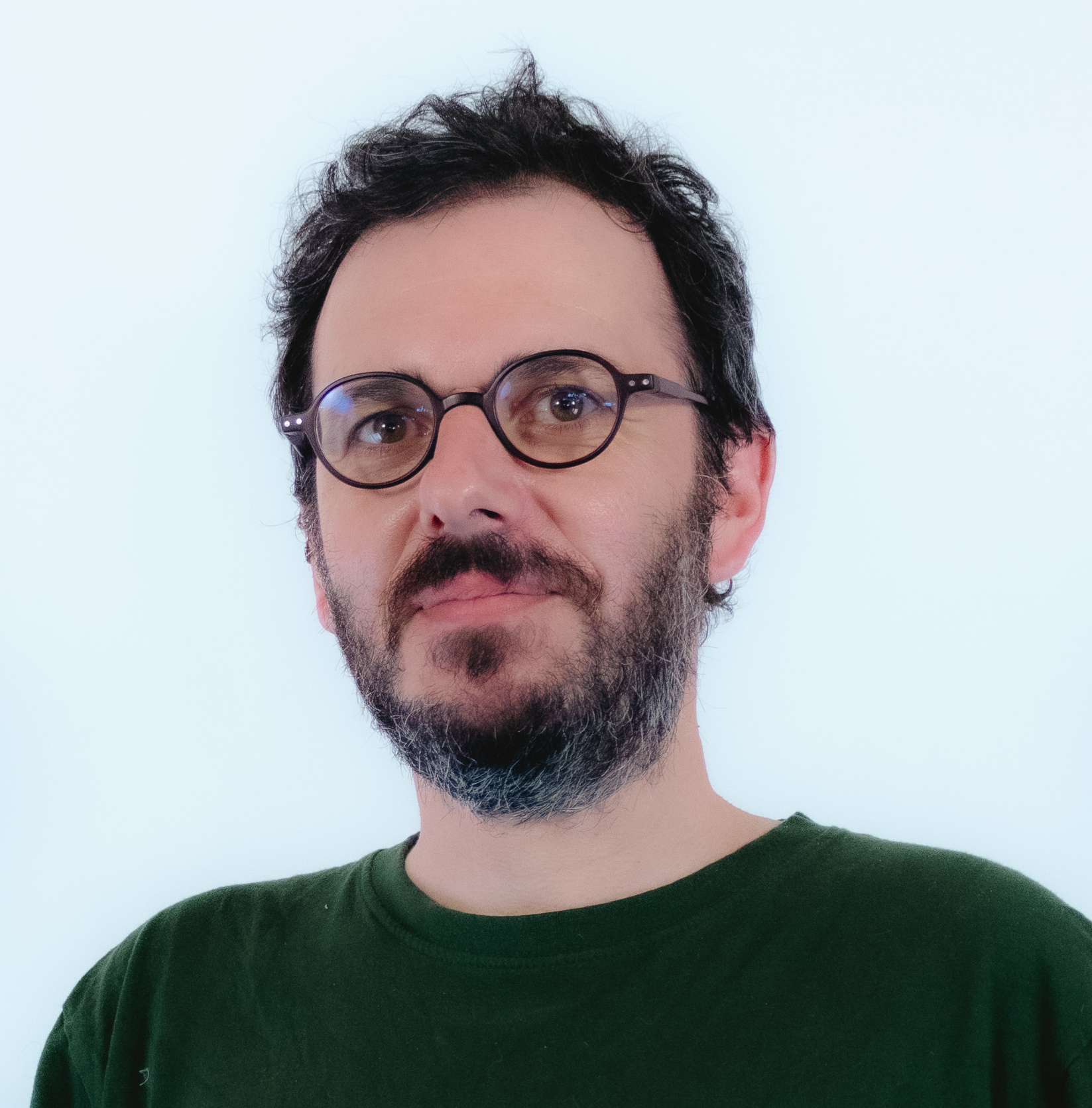
Pedro Daniel Ferreira holds a PhD in Psychology and works as an Associate Professor at the Faculty of Psychology and Education Sciences of the University of Porto. He is a member of the Centre for Research and Intervention in Education (CIIE) and has been studying issues of civic and political participation and political development, including how digital contexts and technologies are relevant to the construction and practices of citizenship. He has taken part and coordinated national and international projects on digital education, including projects on cybersecurity education in Portugal.
Digitalization is present in all areas of our lives. Digital technologies and products have an important influence on contemporary culture, and on how are now integral to how (most) people communicate, socialize, work, learn and/or spend leisure time. That includes children and young people in the diverse contexts of their lives. Even though living and growing up with digital technologies can offer positive experiences and opportunities, it also imposes unique demands and challenges that cannot be ignored. As digitalization deepens, and new technologies emerge, new risks and potential harms also come by. Consequences for well-being and safety are often discussed and need to be intentionally addressed as part of education.
This workshop (2 hours long, and maximum of 25 people) will provide relevant data and information on digital safety and well-being among children and young people and share concrete, practical recommendations. Besides, participants will engage in collaborative reflection on practical cases involving different forms of harmful online experiences, from cyberbullying to disinformation, and their implications for live online and offline. Discussion will particularly focus on the challenges these issues present and which often emerge in digital environments but have consequences that extend beyond the internet, affecting how people communicate, build knowledge, establish relationships, and participate in social and democratic life.More information:
- The workshop is pending confirmation.
- Computer or tablet advised.
- Maximum of 25 participants.
- Tuesday 20, 11:00 – 13:00, Room E210.
Workshop 2
“Managing Generative AI in Research Education: AbductivAI, Reflexive Uncertainty and Critical Research Practices”
António Pedro Costa and Angélica Monteiro , Faculty of Psychology and Education Sciences of the University of Porto

António Pedro Costa is a researcher at the Centre for Research and Intervention in Education (CIIE) of the Faculty of Psychology and Education Sciences (FPCE), University of Porto (Portugal), with a focus on qualitative and mixed-methods research through technology. He is a coauthor of the supporting qualitative analysis webQDA (www.webqda.net). In this area, he has published, in co-authorship, several papers in national and international congresses and journals and book chapters. Currently teaches curricular units of research methodologies. He is the Coordinator of the Ibero-American Congress on Qualitative Research (www.ciaiq.org) and the World Conference on Qualitative Research (www.wcqr.info). Organize several special issues and books on Qualitative Research. He is the main editor of the journal New Trends in Qualitative Research (NTQR). His areas of interest include Generative AI in Education Research, Researchers Competences in Digital Space, Qualitative Research and Mixed Methods. In 2023, he was distinguished with an honorable mention in Arts and Humanities in the “UA Researcher Award” category. Coordinated several projects with public and private funding worth more than 3 million euros.
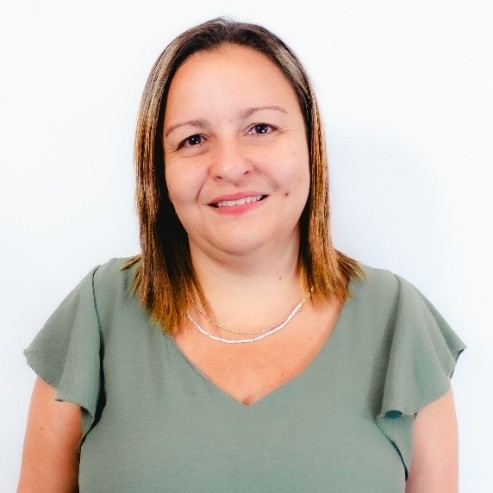
Angélica Monteiro is a professor at the Faculty of Psychology and Educational Sciences of the University of Porto and a researcher at CIIE. She holds a PhD in Educational Sciences and is dedicated to the study of digital technologies in education, with a particular focus on digital literacy, digital citizenship, online participation, and the use of emerging technologies. She has completed two postdoctoral fellowships on digital literacy, one focused on schools and another on contexts of vulnerability. She is co-coordinator of LabDERE/CIIE, a laboratory dedicated to digital experimentation and research on digital educational ecosystems. She also participates in international networks devoted to technology, pedagogy, and educational policy. She is the author of a substantial body of books and scholarly articles in her areas of research interest.
This workshop is aimed at Master’s/PhD students, researchers and supervisors and is designed to promote a critical, transparent and epistemologically responsible use of generative artificial intelligence in research processes, specifically in the analysis of qualitative data. The session brings together two complementary models: AbductivAI, which frames AI as a reflective partner in knowledge production, valuing human–AI collaboration, abductive reasoning and the maintenance of the researcher’s critical judgement; and the Reflexive Uncertainty Framework, which proposes recognizing, making explicit and working with the uncertainty produced by AI as a methodologically relevant element rather than concealing it under a veneer of certainty. The workshop aims to explore and develop key skills for contemporary research, namely critical literacy in AI, analytical thinking, methodological responsibility, reflexivity and the ethical use of generative tools, thereby strengthening participants’ ability to make informed and justified decisions when engaging with AI systems.
More information:
- The workshop is pending confirmation.
- Computer or tablet advised.
- Maximum of 25 participants.
- Tuesday 20, 14:00 – 15:30, Room E210.
Workshop 3
“Teaching with AI: Developing Competencies for Pedagogical and Curricular Innovation”
Ricardo Queirós, Faculty of Media Arts and Design of the Technical University of Porto

Ricardo Queirós is an Assistant Professor in Computer Science at the Faculty of Media Arts and Design (FMAD) and the School of Health (E2S) at Universidade Técnica do Porto. I also collaborate with ISTEC Porto and am a researcher at CRACS/INESC TEC, focusing on programming education, gamification, and Generative AI. I am Director of the Bachelor’s Degree in Web Technologies and Development (LTDW) at FMAD. I am the author of books on programming, digital health, gamification, and artificial intelligence. I am also the founder of ICPEC (International Computer Programming Education Conference), an international conference exclusively dedicated to computer programming education. Outside academia, I find in long-distance running a way to promote physical and mental well-being, consistency, dedication, and a continuous drive for improvement – values that I apply across all areas of my life.
This hands-on workshop explores how Generative AI can support pedagogical and curricular innovation. Participants will experiment with practical approaches to prompt design, AI content creation, H5P interactive learning activities, intelligent assessments, personalised learning, and gamification. It also addresses critical aspects such as quality, validation, transparency, and responsible use of AI in education.
More information:
- The workshop is pending confirmation.
- Computer or tablet required.
- Maximum of 20 participants.
- Tuesday 20, 15:30 – 17:00, Room E210.